Street Fighter Delivers the Action But Not the Emotional Pitch
by Chloe Cha ‘28
Everyone knows the iconic, childhood arcade game called Street Fighter, originally created by CAPCOM in which players could choose a variety of different fighters from around the world. The main goal of the game is to defeat your opponents in order to become the victor of the World Warrior Tournament.
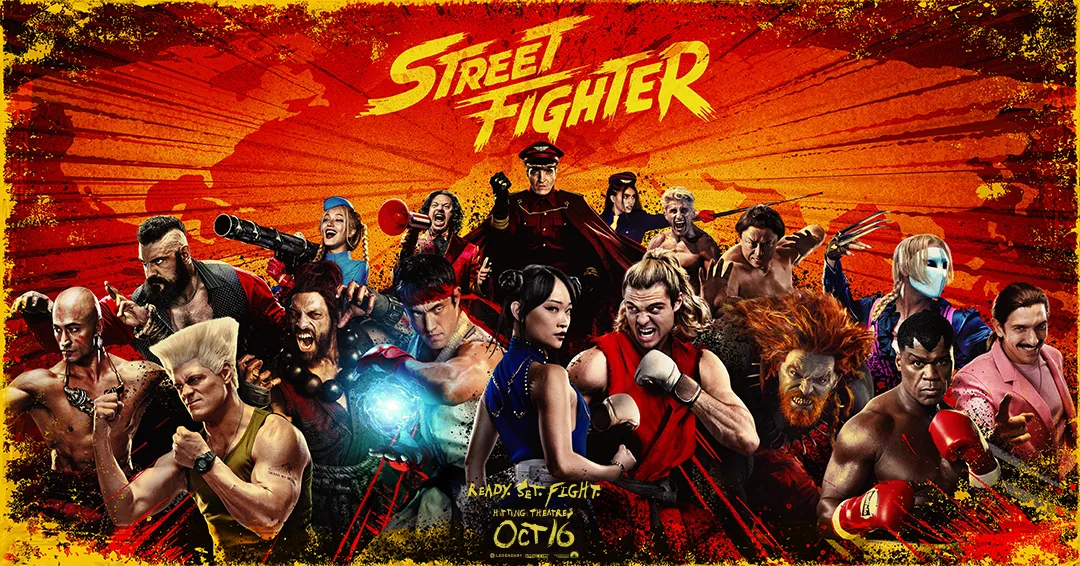
To honor this childhood favorite, director Kitao Sakurai made Street Fighter, a martial arts action/comedy film starring Noah Centineo as Ken Masters, the cocky, egotistical fighter and former best friend of Ryu, and Andrew Koji as Ryu, the orphaned martial artist who goes into hiding after the death of Master Gouken, who trained both Ryu and Ken.
In the film, Ryu and Ken both have a falling out after Master Gouken’s death against Akuma, a dark spirit who tries to possess Ryu into using dark hado; an energy that is powerful yet murderous and violent. While Ken continues his career as a fighter with a bad reputation (due primarily to his attitude in the arena), Ryu stays in hiding — fighting with his own internal guilt of not being able to save Master Gouken while also trying to suppress the growing urge to use the dark hado.
An interesting factor is that the film alternates from animated scenes to live action, which is something that isn’t seen very often. This can be seen in the beginning of the film, where Ryu fights in the final showdown of the 1987 World Warrior Tournament in Thailand against fighter Sagat. The characters’ movements are quick with the lighting providing an intense, stressful, and emotional pull that a real fight would have. However, it is heavily speculated that the film used AI in some scenes instead of hand-drawn animations; some frames looking ‘uncannily perfect’ or too smooth compared to others. But this can be proven wrong since Sakurai commissioned popular animation company Titmouse (which has been around for years working on multiple projects)- which is known for having a smoother animation style while using vibrant colors.
Some small factors that also should be recognized are the accuracy of the costumes and character’s ultimates (special moves). It’s clear a lot of effort went in to make this as game-accurate as possible while also having its own spark.
Relating to the topic, the emotional conveyment and character development are pretty good as well; each character having their own mission that brings the audience to either sympathize or hate the character. For example, Ryu and Ken’s dynamic has multiple tear-jerking scenes as they both struggle with their internal self-hatred and resentment towards one another. However, Street Fighter occasionally loses the audience when using comedic relief right after emotionally impactful scenes. It makes the serious scenes not as serious as they should be and makes it tiring to watch.
GRADE: C+