Social Media Obsesses Again over Crime
by Maddie Miller ‘28
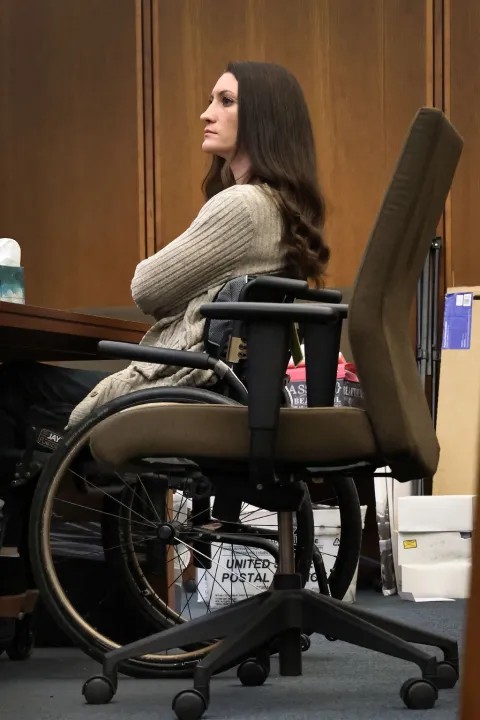
Lindsey Clancy killed her three children on January 24, 2023, and attempted to kill herself by jumping out a window, leaving her paralyzed from the waist down. Her murder trial began this summer and was relentlessly covered by the media for months. The Clancy case blew up across social media platforms, leading to a much wider audience following it. The case ended in a mistrial with an 11-1 verdict, with the majority of the jury unable to convince one holdout to vote not guilty. The next hearing is set for November 2 to determine whether there will be a retrial.
Lost in all the attention are the actual facts. Instead, social media blew up in September with conspiracy theories directed towards the husband, Patrick Clancy, blaming him for the murders. Various theories contend that he was whispering to her, switched up the medication, and overall made her feel crazy. Although some commentators on social media argued that there needs to be more attention to the possible reasons for Lindsey Casey’s mental state, the public started blaming Patrick Clancy for the murder of his children by his wife.
In the past few years there have been other court cases that have grabbed the public’s attention, fueled by cable news coverage and social media chatter. They include D4VD’s murder trial, Sean Diddy’s trial for sexual assault and other charges, and the dispute over allegations of abuse between Amber Heard and actor Johnny Depp. In this last example, legal experts raised concerns that social media impacted the jury’s decisions. “On TikTok, a hashtag supporting Depp had 20 billion views, while a hashtag supporting Heard had only 7.5 million views … The jurors were not sequestered and that Heard’s lawyer felt that the cameras had reduced the trial to a popularity contest,” noted an article published by the New York State Bar Association.
People can quickly become obsessed with court trials involving celebrities and/or with shocking detail and start drawing their own uninformed conclusions. When people can become attached to a court case, it can be for many reasons but the leading one is a perceived emotional tie to the people involved in the case. Those with an obsession with Lindsey Clancy likely can be traced back to the development of parasocial relationships.