Acceptance Rates Deceive Students
by Elise Yang ‘27
Despite what highly selective colleges and universities may want students to believe, it’s actually getting easier to get into college overall, not harder. On average, colleges and universities are admitting a larger proportion of students than 20 years ago. However, those highly selective institutions, which account for approximately 50-60 colleges out of all 4,000 colleges in the U.S. (around 1.5 percent), have been working harder than ever to maintain or achieve their prestigious status, specifically through lowering acceptance rates.
College ranking systems and the perceived importance of statistics like acceptance rates feed into the incentive for colleges and universities to widen their applicant pool. Along with the oversensationalization of “prestigious” institutions, schools are rushing to appear as distinguished as possible. Some colleges increase their number of applicants through aggressive advertisements that make students feel as if they are likely to be accepted, while in reality they are not.
This practice, as opposed to more targeted advertising that aims to attract students with certain grades and test scores, is one gaining popularity. Known for their quick rise in national rankings and broad advertising, Northeastern now has an acceptance rate of roughly 5 percent, close to that of Ivy League institutions. However, this does not mean Northeastern necessarily offers an Ivy League education.
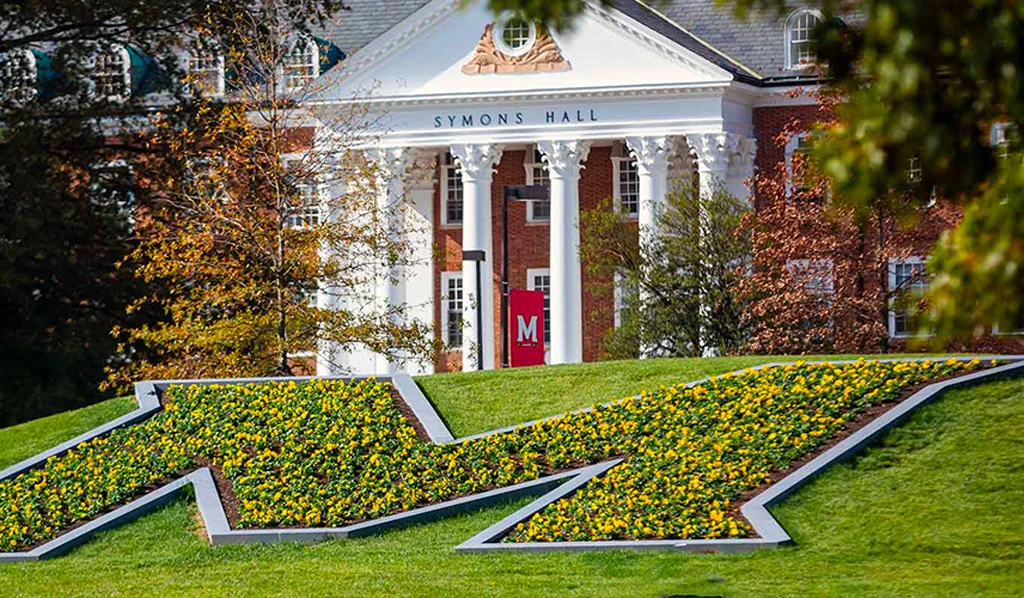
This trend is not limited to private institutions; in fact, states’ flagship universities are engaging in a race to secure the designation of a “public ivy”, a highly selective and prestigious public institution. These schools, although public state schools, are becoming increasingly selective for both in-state and out-of-state applicants. UMD is one of them. Maryland’s state university has been climbing the ranks at an impressive rate among public universities, jumping 20 positions since 2020, and now ranked 44th among all national universities (2 notches above Northeastern) and 17th among public universities according to the US News & World report.
UMD is now commonly referred to as a “public ivy” after appearing on Forbes’ list of “New Ivies” in 2024. This perceived prestige is provoking anxiety among students and families especially within Maryland, who are now fearful of being rejected by their state university. While highly selective institutions have been cranking up the pressure, or at least what it looks like, the value of education you may receive there isn’t necessarily improving. On the other hand, the state’s flagship universities are rising both in status and selectivity. The college admissions process is trickier than it seems, and it’s important to remember that acceptance rates and rankings are not everything.