Respecting the Roots of Spirituality
by Hannah Lee 21’
From yoga studios to crystal shops, the concept of spirituality and mindfulness has become increasingly present in our society for quite some time now. However, with the growth of social media usage during the pandemic and more people looking for ways to ease their anxiety or do some soul searching, there’s been a surge in particular practices and beliefs. Avid users of TikTok may have stumbled upon “Witchtok,” the side of the app where people learn and discuss smudging, performing certain spells, crystal usage, the concept of karma and chakras, etc. Despite these concepts all originating from separate religions and cultures, they are beginning to be grouped into the one category or notion of being “spiritual.” Of course, it is admirable for people to want to immerse themselves in new practices and further their spiritual journey, but the way these separate concepts are being minimized as a new “trendy aesthetic” can easily (and dangerously) erase centuries of tradition and history.
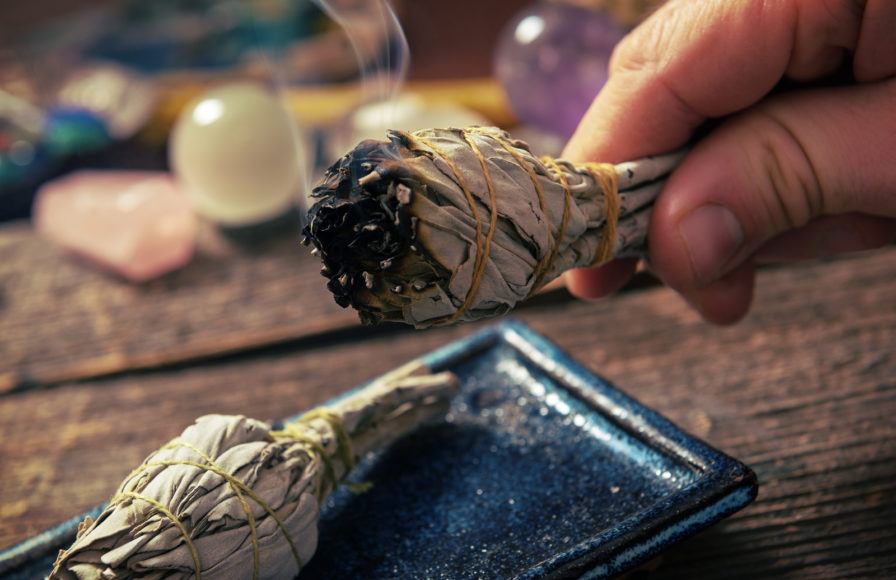
One of the most prominent and controversial examples is the practice of smudging using White Sage or Palo Santo. Smudging is a traditional ceremonial indigenous practice where the smoke of burning herbs are used to drive away negative energy and restore balance. In recent years, large Western corporations have glamorized and advertised these herbs for their healing properties. Palo Santo requires a specific and proper harvesting method which takes patience and care. However with increased demand, illegal harvesting and overharvesting have put these plants at risk of being on the endangered species list. Numerous indigenous groups have spoken out about their struggle with protecting these sacred herbs and fighting against the exploitation of them, while large companies with no regard for its history are gaining wealth and recognition for products like “beginner witch sets”. The problem lies within the commodification of these items, especially when there is little to no recognition towards their origins. This allows privileged groups to take credit and profit off of the culture and lifestyles of Native Americans, who have already had a long history in this country of having their land, other possessions, and traditions stripped and whitewashed. If you are truly fascinated and interested in the practice of smudging, it’s most recommended to buy from local family owned shops or from shamans.
This also goes for religions like Buddhism and Hinduism, which carry ideas and practices that have trickled into Western society. Many followers of these religions carry a deep connection to them (due to their rich histories and how it is interwoven into their childhood) but have experienced ridicule or even felt ostracized by their peers growing up. Now it’s common to see talk of chakras, auras, and other terms carelessly thrown around in yoga classes. It’s easy to unknowingly latch on to a lifestyle or phrase without realizing its sanctity; that’s what makes this reflection even more important. The concept of chakras and auras have been watered down and oversimplified in American culture, which can lead to a false understanding of them and come off as disrespectful.
Once again, this is not to say that people aren’t free to choose what to believe in or practice as these communities are very welcoming and all about spreading positivity and unity. The importance lies within making sure your motives are pure (being truly interested rather than wanting to seem trendy) and taking the time to put in the research. To realize that even harmless actions can have long lasting impacts on real communities of people. To respect and admire other cultures without turning a blind eye to the places they come from or claiming these ideas as part of Western culture.